

What Are the Early Signs of Prediabetes?
Prediabetes often develops without obvious symptoms, but some people may notice increased thirst, frequent urination, fatigue, blurred vision, or darkened skin around the neck or armpits. These changes can occur as the body becomes less responsive to insulin and blood sugar levels begin to rise above the normal range. At Fresno Medical Center, Dr. Gurmej Dhillon, MD, and our healthcare team can evaluate your risk factors, recommend appropriate screening, and help identify prediabetes early. For more information, contact us or schedule an appointment. We are conveniently located at 6069 N First St # 103, Fresno, CA 93710.
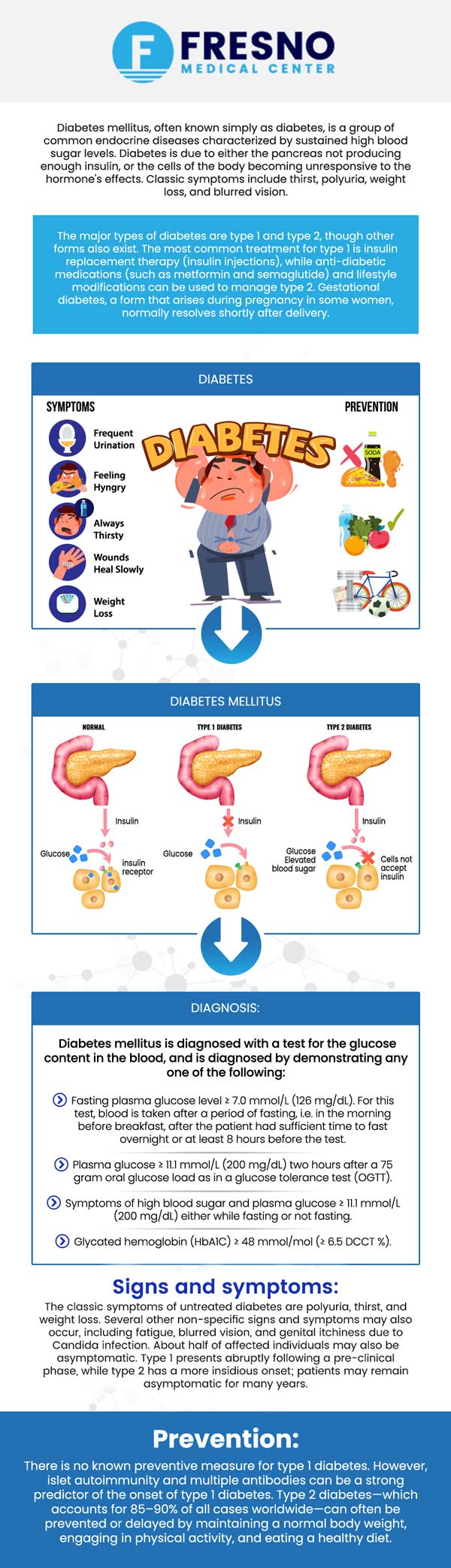
Table of Contents:
Who is at the highest risk for developing prediabetes?
Can prediabetes develop without noticeable symptoms?
Can darkened skin around the neck or armpits indicate insulin resistance?
When should you get tested if you are concerned about prediabetes?
Why Choose Dr. Gurmej Dhillon, MD, and Our Healthcare Team at Fresno Medical Center for Prediabetes Evaluation and Early Detection?
Prediabetes can affect adults of different ages and backgrounds, but certain health and lifestyle factors can significantly increase the likelihood of developing it. People who are overweight or have obesity may face a higher risk because excess body fat, particularly around the abdomen, can make the body less responsive to insulin. Adults age 35 and older may also have an increased risk, especially when other contributing factors are present. A family history of type 2 diabetes, limited physical activity, high blood pressure, abnormal cholesterol or triglyceride levels, and cardiovascular disease can further increase the likelihood of developing prediabetes.
Additional risk factors may include a history of gestational diabetes, polycystic ovary syndrome, or previous blood sugar results that were higher than normal. Risk can vary considerably from one person to another, so no single factor determines whether prediabetes will develop. A healthcare professional can review medical history, weight patterns, family history, blood pressure, activity level, and previous laboratory findings to determine whether screening may be appropriate. Recognizing these factors early can help individuals take preventive steps before blood sugar levels progress into the diabetes range.
Yes. Prediabetes frequently develops without noticeable symptoms, which means many people may have elevated blood sugar without realizing it. Blood glucose levels can gradually increase as the body becomes less responsive to insulin, yet these changes may not immediately cause obvious physical warning signs. Someone may continue with normal daily activities and feel generally well even while metabolic changes are occurring. This is why relying only on symptoms can delay the identification of prediabetes.
Some people may eventually experience increased thirst, frequent urination, tiredness, blurred vision, or other changes as blood sugar becomes more elevated. However, these symptoms are not specific to prediabetes and may be caused by many different health concerns. Routine screening is therefore especially important for individuals who have known risk factors. Blood glucose testing can identify abnormal levels before significant symptoms appear. Detecting prediabetes early provides an opportunity to make informed lifestyle changes and establish appropriate medical follow-up before blood sugar progresses further.
Darkened, thickened, or velvety-looking areas of skin around the neck, armpits, groin, or other body folds may sometimes be associated with insulin resistance. This type of skin change is commonly known as acanthosis nigricans. It can develop when elevated insulin levels stimulate changes in skin cells. Although its appearance may be associated with insulin resistance, it does not automatically mean that someone has prediabetes or diabetes. The skin finding should instead be considered one possible clue that may warrant further medical evaluation.
Insulin resistance occurs when cells in the muscles, fat, and liver do not respond effectively to insulin. The body may compensate by producing increasing amounts of insulin to keep blood glucose under control. Over time, this process can contribute to prediabetes. Because darkened skin can also have other causes, professional evaluation is important rather than assuming the change is related to blood sugar. A healthcare professional can assess the skin, review other risk factors, and determine whether blood glucose testing or additional evaluation is appropriate.
People concerned about prediabetes do not necessarily need to wait until symptoms develop before being tested. Screening may be recommended for adults beginning around age 35, while earlier evaluation may be appropriate for people who are overweight or have obesity along with additional risk factors. These may include a family history of type 2 diabetes, high blood pressure, abnormal cholesterol levels, limited physical activity, cardiovascular disease, polycystic ovary syndrome, or a previous history of gestational diabetes.
Testing may also be appropriate when someone develops persistent thirst, increased urination, unexplained fatigue, blurred vision, or other possible signs of elevated blood sugar. Common blood tests can help determine whether glucose levels fall within a normal, prediabetes, or diabetes range. The appropriate timing for repeat testing depends on the individual’s initial results, medical history, and overall risk. Regular screening can be particularly valuable because prediabetes may remain unnoticed for years. Early identification allows individuals and their healthcare team to develop a plan for monitoring and reducing future health risks.
Early evaluation for prediabetes can provide important information about metabolic health before blood sugar progresses into the diabetes range. A comprehensive assessment considers more than a single laboratory value. Factors such as family history, weight changes, blood pressure, physical activity, previous glucose results, cardiovascular risk, and other health concerns can help create a clearer picture of an individual’s likelihood of developing type 2 diabetes. Identifying these concerns early also provides more time to address habits and health factors that may influence long-term blood sugar control.
Dr. Gurmej Dhillon, MD, and our healthcare team at Fresno Medical Center provide individualized evaluation for patients who may be at risk for prediabetes. Our team can review personal and family medical history, assess relevant risk factors, recommend appropriate blood sugar testing, and explain what the results mean for future health. When prediabetes is identified, our clinic can provide guidance regarding nutrition, physical activity, healthy weight management, sleep, and ongoing monitoring based on individual needs. Continued follow-up can help determine whether blood sugar levels are improving, remaining stable, or requiring closer attention, supporting informed decisions and proactive long-term health management. For more information, contact us or schedule an appointment. We are conveniently located at 6069 N First St # 103, Fresno, CA 93710. We serve patients from Fresno CA, Clovis CA, West Park CA, Mayfair CA, Muscatel CA, Burness CA, Lone Star CA and surrounding areas.

Check Out Our 5 Star Reviews


ADDITIONAL SERVICES YOU MAY LIKE
❱ Employment Physical Exams
❱ DMV or DOT Physical Exams
❱ Immigration Physical
❱ Sports and School Physical Exams
❱ Comprehensive Physical Exams
❱ Physical Exams
❱ Surgical Procedure Service
❱ Functional Medicine
❱ Medical Weight Loss



 Send Text
 How May I Help You?